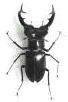
It was lovely to see so many people attend our last talk of the current season with guest speaker David Wembridge from the PTES (People’s Trust for Endangered Species) talking to us about stag beetles.
There are 3 species of stag beetle in the UK: the lesser stag beetle; European stag beetle; and the rhinoceros beetle. The European is the biggest of the three and the one we are more likely to see around Bracknell.
The Great Stag Hunt was launched by the PTES in 1998 to collect data on the distribution and abundance of the beetle as it is thought to be declining. The data showed the main areas the beetle are found are in the south of England and it is suspected that areas of the country with chalky soils are not favoured by them. Interestingly looking at the study and at museum specimens that date back to the 1800’s stags are generally always in urban areas, perhaps because of the abundance of dead wood on which the larvae eat.
Stag beetle larvae spend between 3-5 years underground feeding on the wood before shedding its skin and overwintering as an adult. They emerge around mid May and their main priority is to find a mate and lay the eggs for the next generation. The adults eat very little as they only live between 4-6 weeks. Unfortunately, as the adults emerge they’re a ready meal for crows and magpies and all that’s left is often wing cases and heads!
The most important thing we can do to help these fascinating insects is to build a log pile with some of the logs buried underground. This will give the females an ideal place to lay their eggs. Lesser stag beetles larvae also feed on dead wood but are more on the surface so a variety of logs above and below ground will help.
The best time to see these amazing creatures is at dusk when it’s a warm still evening and the PTES are very keen for sightings to be recorded on their website, the link is provided below.
www.ptes.org/campaigns/stag-beetles-2
This was our last talk of our 2024/2025 programme but a new programme starts again in September.
 Bracknell Forest Natural History Society